The dental implant procedure is the gold standard for tooth replacement, involving a multi-step process that lasts between 4 and 9 months. By surgically placing a titanium ‘root’ into the jaw, we trigger a natural fusing process called osseointegration. At Lansdowne Family Dental, we manage the entire timeline from consultation and healing to the placement of the final abutment and crown to provide you with a seamless, natural-looking restoration.
Dental implant procedure steps can seem complex, but understanding each phase of treatment helps patients feel confident about their journey toward restored oral health. If you’re missing one or more teeth, dental implants offer the most advanced solution for replacing both the tooth root and crown, providing unmatched stability and natural appearance. At Lansdowne Family Dental, our experienced team specializes in guiding Loudoun County, Virginia patients through every aspect of the dental implant process, ensuring optimal results and patient comfort from consultation to final restoration.
Dental Implant Procedure: A Step-by-Step Process
Dental implants involve several stages, each crucial for achieving a successful outcome. Let’s dive into the detailed steps:
- Initial Consultation and Assessment: At the heart of the dental implant journey is the initial consultation with your dentist or oral surgeon. During this visit, the dentist will assess your oral health, take X-rays, and discuss your medical history. This assessment helps determine your suitability for dental implants and allows the dental team to develop a personalized treatment plan.
- Treatment Planning: After the assessment, the dental team will create a treatment plan tailored to your needs. This plan outlines the number of implants required, the placement strategy, and the type of restoration (crown, bridge, or dentures) that will be attached to the implants. The treatment plan ensures that all aspects of the procedure are carefully considered.
- Tooth Extraction (If Needed): In cases where a damaged or decayed tooth is still present, it may need to be extracted before implant placement. This step ensures a clean and healthy foundation for the implant. If the tooth has already been lost, this step is unnecessary.
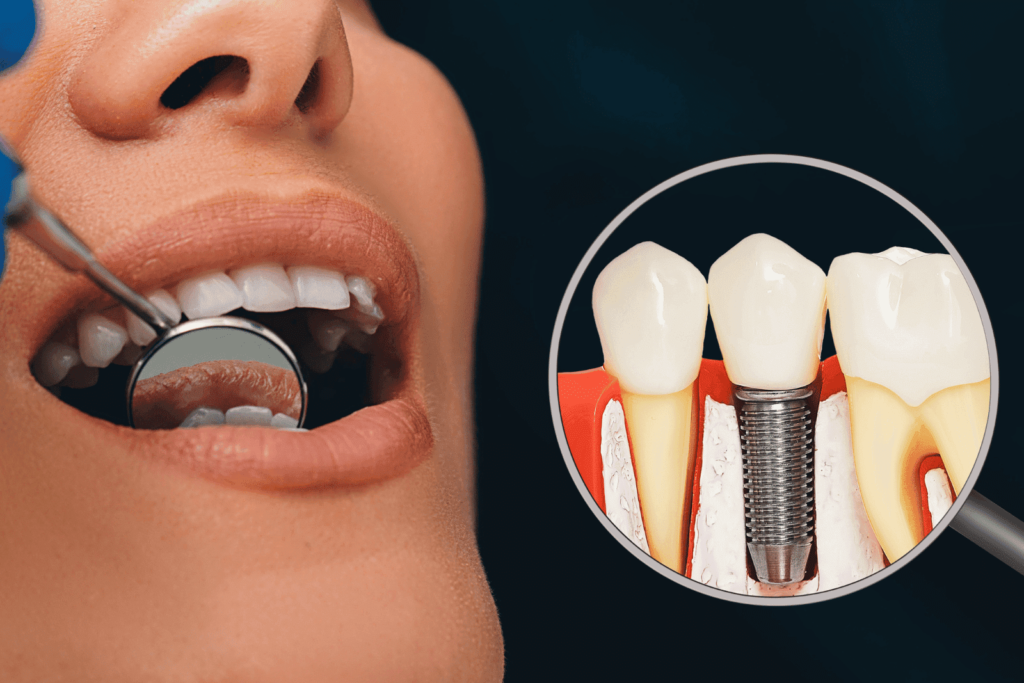
- Implant Placement: Implant placement is a surgical procedure where the dentist or oral surgeon places the titanium implant into the jawbone. Over time, the bone fuses with the implant through a process called osseointegration. This creates a strong and stable foundation for the replacement tooth.
- Healing Period: Following implant placement, a healing period of several weeks to a few months is essential. During this time, the implant and jawbone integrate, ensuring the implant’s stability. In some cases, a temporary restoration may be placed to maintain aesthetics and function.
- Abutment Placement: Once the implant has fully integrated, an abutment is attached to it. The abutment serves as a connector between the implant and the final restoration. This minor surgery involves exposing the implant and placing the abutment.
- Impressions: After the abutment is placed, impressions of your teeth are taken. These impressions are used to create custom-made crowns, bridges, or dentures that will perfectly fit your implant and blend seamlessly with your natural teeth.
- Final Restoration: The last step involves placing the final restoration, whether it’s a crown, bridge, or dentures. This restoration is designed to match the color, shape, and size of your natural teeth, providing a lifelike appearance. Once attached, your smile is fully restored, and you can enjoy the benefits of your new teeth.
How to Prepare for Your Dental Implant Appointment?
Getting ready for your dental implant consultation in Leesburg, Ashburn, Sterling, and Lansdowne? This comprehensive preparation guide helps you maximize your appointment with Lansdowne Family Dental. Learn what to expect during your implant evaluation, essential questions to ask, medical information to bring, and how our team assesses your candidacy for dental implants. Prepare confidently for your consultation and take the first step toward restoring your smile with our expert implant specialists.
This in-depth guide covers everything you need to know to prepare for your dental implant consultation with our team.
What to Expect at Your Dental Implant Consultation
During your appointment, our implant specialist will:
- Review your medical and dental history in detail
- Discuss your goals for treatment and concerns
- Perform a comprehensive oral exam looking at your teeth, gums, bone structure, and bite
- Take radiographs like panoramic X-rays to visualize your underlying bone health
- Discuss treatment options and recommended implant type/locations based on your case
- Explain the surgical procedure, technology used, and estimated timeline
- Provide a detailed overview of costs and financing options
We want you to feel comfortable asking any questions you may have about the safety, procedure, recovery, or results of dental implants. Our team is committed to patient education and transparency regarding implant dentistry.
Do not hesitate to ask us any other questions you may have about the implant process, aftercare, or costs. Helping our patients regain confidence with permanent solutions for missing teeth is our passion. We look forward to guiding you through this life-changing treatment.
How to Prepare for Your Teeth Implant Consultation
To make sure your appointment is as productive as possible, follow these tips:
- Gather Relevant Medical Information
We will ask for your medical history including:
- Current health conditions and medications
- Allergies
- Prior surgeries
- History of periodontal disease
- Family history of dental issues
Having this information available will save time and assist us in evaluating your candidacy.
- Undergo Necessary Dental Work Before Your Consultation
It’s best to take care of any dental treatment you may need well in advance of implants. This includes fillings, root canals, gum care, and removing any compromised teeth. Starting the implant process with optimal oral health will give you the highest chance of success.
- Stop Unhealthy Habits
Smoking, vaping, smokeless tobacco use, and excessive alcohol consumption all negatively impact dental implant treatment. Be ready to discuss your willingness to quit these habits for the health of your implants. We can point you towards helpful resources.
- Consider Temporary Tooth Replacement Options
If you are missing teeth currently, think about whether you want to use temporary options like dentures or partials before the implants are placed. We will discuss the pros and cons of interim solutions at your visit.
Jot down any particular concerns you want to address like cost, number of appointments needed, or implant maintenance requirements. Let us know what functional and aesthetic outcomes you hope to achieve.
- Bring Someone Along for Support
Having a trusted friend or family member join you helps ensure you retain all the information provided. Feel free to bring them along to your dental implant consultation.
What We Look for in Potential Candidates
To determine if you are ready for dental implants, our specialist will assess:
- Your jawbone volume and density at the implant site(s)
- The health of your gums and whether periodontal disease is present
- Spacing issues and whether teeth need to be extracted before placement
- Occlusion (bite alignment) which must be properly balanced
- Whether you have adequate keratinized gingiva (gum tissue)
- Oral hygiene habits and ability to maintain the implants
- Commitment to any needed lifestyle changes like smoking cessation
- Overall health conditions and medications that may interfere with the implants
- Anatomical obstacles like nerves or sinuses must be avoided
Even if you have complicating factors, specialized implant protocols can often overcome them. Our goal is to customize a treatment that works within your unique oral environment.
Understanding Dental Implants
A dental implant consists of a biocompatible titanium post that serves as an artificial tooth root, surgically placed into your jawbone to support a custom crown, bridge, or denture. This multi-phase treatment requires several months to complete, allowing for proper healing and osseointegration – the critical process where your natural bone fuses with the implant surface. When properly placed and maintained, dental implants can last decades while providing the closest thing to natural teeth in terms of function, appearance, and durability.
In this comprehensive step-by-step guide, we’ll walk you through each phase of the dental implant procedure, explain what to expect during recovery periods, discuss the timeline from initial consultation to final restoration, and provide you with detailed insights into how our practice ensures successful implant outcomes for patients throughout the treatment process.
Conclusion
By understanding the comprehensive dental implant procedure steps, you’re equipped with the knowledge to make informed decisions. Remember, each individual’s case is unique, so consult with a dental professional to determine the best path forward for your smile restoration.
For residents of Ashburn, Leesburg, and Lansdowne, VA, choose Lansdowne Family Dental for quality dental care. We offer various dental services with a patient-centric approach. Start your dental journey with us. Contact us!
FAQs
Below are some of the most important questions to ask your potential implant dentist during a consultation:
How long does the dental implant procedure take?
The duration of the dental implant procedure varies depending on individual cases. It can take anywhere from a few months to a year. Factors influencing the timeline include the need for extractions, healing periods, and the type of restoration.
Is the implant placement surgery painful?
Implant placement is usually performed under local anesthesia, ensuring minimal discomfort during the procedure. Post-surgery, some soreness, and swelling are normal, but these can be managed with prescribed medications and proper care. Also, check out this article about dental implant pain and problems!
Are dental implants noticeable?
No, dental implants are designed to look and feel like your natural teeth. The final restoration is customized to blend seamlessly with your existing teeth, making the implant virtually indistinguishable.
How long do dental implants last?
With proper care and maintenance, dental implants can last a lifetime. Regular oral hygiene practices and routine dental check-ups are essential for ensuring the longevity of your implants.
Are dental implants suitable for everyone?
In general, dental implants are a suitable option for many individuals. However, a thorough assessment by a dental professional is necessary to determine your candidacy. Factors such as bone density and overall health play a role in the decision.
Is the healing period necessary?
Yes, the healing period is crucial. It allows for osseointegration, the process where the implant fuses with the jawbone, creating a stable foundation for the restoration. Skipping this phase can compromise the success of the implant.