Today’s orthodontic treatments provide numerous ways to straighten teeth and address various dental concerns. Among the most sought-after options are Invisalign and retainers, each designed with distinct characteristics and advantages to meet diverse orthodontic requirements and patient preferences. This detailed overview explores the fundamental aspects of both Invisalign and retainers, examining how they differ, their respective benefits, and guidance on determining which treatment approach may be most appropriate for your specific situation.
👉 Book an Invisalign Appointment Today!
Invisalign vs. Braces vs. Retainers
Not sure which option fits your needs? This comparison breaks down the key differences in functionality, appearance, and maintenance.
| Feature | Metal Braces | Invisalign® | Retainers |
| Primary Goal | Fixes complex tooth & jaw alignment. | Straightens teeth & fixes most bite issues. | Maintains teeth in their current position. |
| Visibility | High (Metal brackets and wires). | Nearly Invisible (Clear medical-grade plastic). | Nearly Invisible (Clear) or Thin Wire. |
| Removable? | No, fixed for the duration of treatment. | Yes, removed for eating and cleaning. | Yes (unless using a fixed permanent wire). |
| Treatment Time | Usually 18 – 36 months. | Usually 6 – 18 months. | Ongoing (Lifetime wear is recommended). |
| Comfort Level | Moderate (Wires may poke or irritate). | High (Smooth plastic with no sharp edges). | High (Passive fit with no tooth movement). |
| Maintenance | Specialized flossing and brushing tools. | Rinse trays and normal brushing/flossing. | Daily cleaning with water or mild soap. |
What is Invisalign?
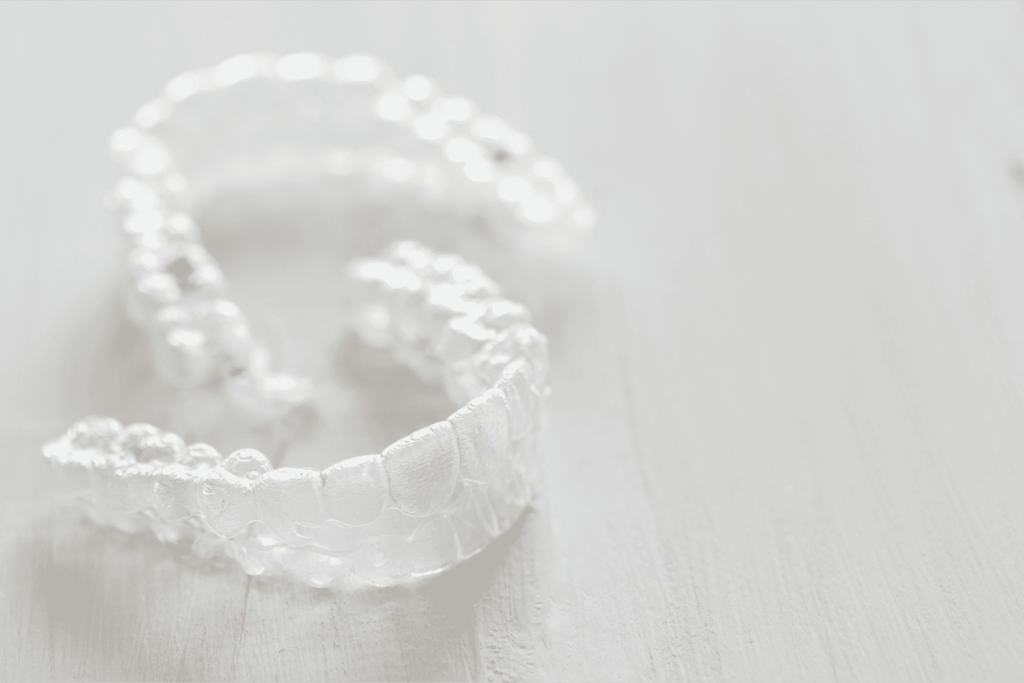
Invisalign is a revolutionary orthodontic treatment that employs a series of clear, removable aligners to gradually straighten teeth. Unlike traditional braces, Invisalign aligners are virtually invisible and provide a more discreet way to address dental misalignments.
How Does Invisalign Work?
Invisalign treatment begins with a consultation with an orthodontist, who creates a personalized treatment plan. Advanced 3D imaging technology is used to design a series of custom aligners that guide your teeth into the desired positions over time. These aligners are replaced approximately every two weeks, each set gently nudging your teeth closer to their ideal alignment.
Benefits of Invisalign
Invisalign offers several advantages, making it a preferred choice for many individuals:
- Aesthetic Appeal: The clear aligners are barely noticeable, allowing you to undergo orthodontic treatment without the conspicuous appearance of traditional braces.
- Removability: Invisalign aligners can be easily removed for eating, brushing, and flossing. This feature promotes better oral hygiene compared to fixed braces.
- Comfort: The aligners are made from smooth plastic, minimizing the discomfort and irritation often associated with metal brackets and wires.
- Dietary Freedom: Unlike braces, there are no dietary restrictions with Invisalign, as you can remove the aligners while eating.
See our Invisalign Cost Guide for a full breakdown.
What are Retainers?
Retainers, on the other hand, are orthodontic devices designed to maintain the position of teeth after braces or other corrective treatments. They can be fixed (bonded) or removable, and they play a crucial role in preventing teeth from shifting back to their original positions.
Types of Retainers
There are two main types of retainers:
- Hawley Retainers: These consist of a plastic base that rests against the roof of the mouth and a wire that holds the teeth in place. Hawley retainers are adjustable and can be customized for a better fit.
- Clear Retainers: These are made from transparent plastic and fit snugly over the teeth. They are discreet and offer a more aesthetic option for those who want their retainers to be less noticeable.
Benefits of Retainers
Retainers provide several benefits in maintaining the results of orthodontic treatment:
- Stability: Retainers help keep teeth in their newly aligned positions, preventing regression that can occur naturally over time.
- Versatility: They can be used after various orthodontic treatments, ensuring the teeth stay aligned as intended.
- Reduced Relapse Risk: Wearing retainers consistently significantly reduces the risk of orthodontic relapse, saving you time, effort, and potential costs in the long run.
What is the Difference Between Braces and Invisalign?
- Braces are brackets or bands bonded to your teeth. Flexible wires or rubber bands hold the braces in place. Traditionally, braces were made from metal, but other materials are available now.
- Invisalign aligners are trays made from medical-grade clear plastic. Each removable tray is custom-made to fit over your teeth. Trays are replaced periodically with ones providing a tighter fit.
Both Invisalign aligners and braces use pressure to straighten and align your teeth. Both result in a better bite and a beautiful smile.
Benefits of Metal Braces
- Braces are not removable, so that alignment is continual. They are also effective for even the most challenging dental issues. Braces have been used for straightening teeth for a very long time, so treatment is precise and efficient.
- Braces Are Less Expensive, and Insurance May Cover in Full
Braces are usually less expensive than aligners. Your dental insurance may further reduce the price of braces. In the case of children, insurance may pay the full cost.
Braces Disadvantages
You may find it difficult to eat certain foods. Braces can also make it harder to manage good oral hygiene. The risk of mouth injury is greater, especially during contact sports.
Which is better Invisalign or Retainers?
1. Suitability and Treatment Goals
The choice between Invisalign and retainers depends on your specific dental needs and treatment goals. Invisalign is ideal for individuals with mild to moderate misalignments seeking a discreet and convenient treatment option. Retainers, on the other hand, are more suitable for maintaining the results of previous orthodontic work.
2. Lifestyle Considerations
Consider your lifestyle when deciding between the two options. Invisalign aligners are removable and should be worn for at least 20-22 hours a day. If you can commit to this, they might be the better choice. However, if you’re concerned about consistently wearing aligners, a retainer might be a more suitable option, especially if you’ve just completed a traditional braces treatment.
3. Comfort and Aesthetics
Invisalign’s clear aligners offer greater comfort and aesthetic appeal compared to traditional braces. However, some individuals might find the constant pressure of aligners uncomfortable. Retainers, being less invasive, generally have fewer comfort-related issues.
For residents of Ashburn, Leesburg, and Lansdowne, VA, choose Lansdowne Family Dental for quality dental care. We offer various dental services with a patient-centric approach. Start your dental journey with us. Contact us!
Conclusion
In the Invisalign vs. retainer debate, there’s no one-size-fits-all answer. The decision boils down to your unique needs, lifestyle, and treatment history. Consulting with an experienced orthodontist is crucial in making an informed choice that aligns with your goals and preferences.
FAQs
How Long Do I Need to Wear Retainers or Invisalign?
The duration varies depending on individual cases. Invisalign treatment can last anywhere from several months to a few years. Retainers are often worn long-term, with the possibility of reducing wear time over the years.
Are There Any Dietary Restrictions with Invisalign?
No, one of the benefits of Invisalign is that you can remove the aligners while eating, allowing you to enjoy your favorite foods without restrictions.
Can I Switch from Retainers to Invisalign or Vice Versa?
Transitioning from retainers to Invisalign or vice versa is possible in some cases. However, this decision should be made in consultation with your orthodontist to ensure it aligns with your treatment plan.