The impact of 3D printing on modern dentistry is that dentists can now make precise appliances, surgical guides, and restorations quickly from a digital scan. Parts that used to be sent out and made by hand can now be printed to fit one patient’s mouth. At Lansdowne Family Dental, Dr. Wael Elosta uses digital planning, including surgical guides for implant placement. This article covers what dentists print today, which materials are used, and what it means for patients: fewer visits and a closer fit.
3D Printing Impact on Modern Dentistry
This technology allows dentists to create custom dental appliances, surgical guides, and prosthetics in hours rather than weeks, while providing better fit and comfort through digital precision that was impossible with traditional methods.
Key impacts of 3D printing on modern dentistry include:
- Same-day restorations for crowns, bridges, and veneers
- Custom orthodontic aligners printed specifically for each patient’s teeth
- Surgical guides for precise dental implant placement
- Complete dentures and partials with superior fit and comfort
3D printing makes some dental work faster and more convenient, and it also changes how precise that work is, who can get it, and what it costs. It allows treatment to be planned for each patient and can cut down the number of visits.
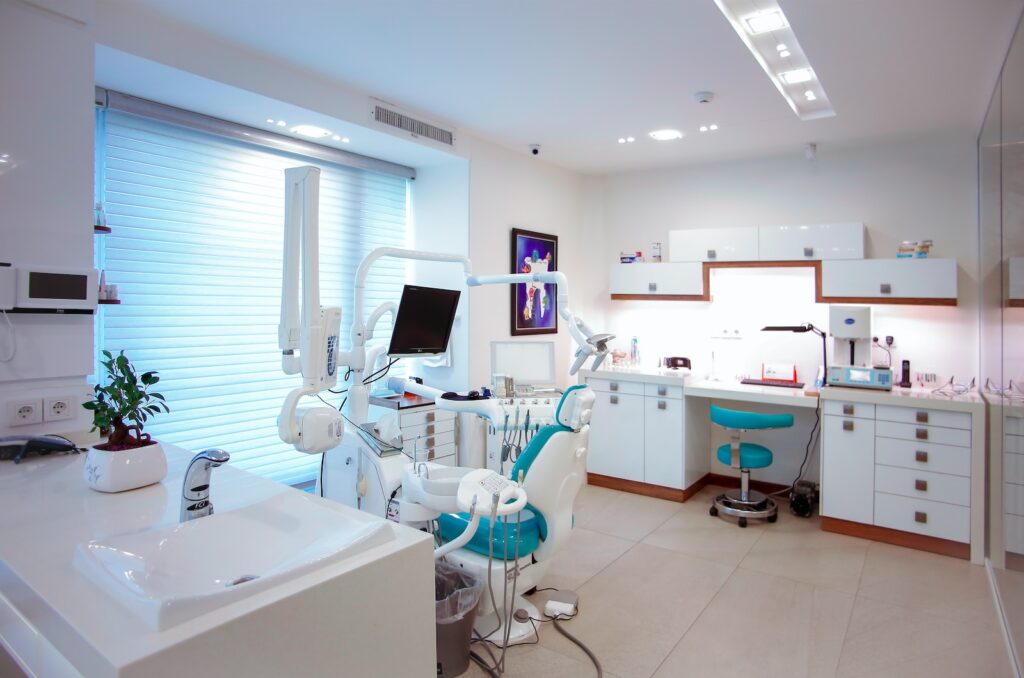
3D Printing: A Game-Changer in Dental Procedures
The advent of 3D printing in dentistry has brought about a paradigm shift from conventional labor-intensive techniques that often necessitated the collaboration of multiple experts. This innovative technology has amplified the efficiency, precision, and personalization of dental procedures, culminating in superior patient outcomes and a more streamlined dental experience.
Diverse Applications of 3D Printing in Dentistry
- Customized Dental Prosthetics: One of the standout applications of 3D printing in contemporary dentistry is the fabrication of bespoke dental prosthetics. Be it dental crowns, bridges, or dentures, 3D printing facilitates the meticulous crafting of prosthetics, tailored to the distinct dental structure of each patient. Leveraging digital intraoral scanners, detailed 3D visuals of a patient’s teeth are captured, which serve as the blueprint for creating precise digital models. These models can be effortlessly tweaked to achieve a precise fit, leading to enhanced patient comfort and functionality.
- Surgical Guides and Implants: A dentist can 3D print a surgical guide from a patient’s CT scan. The guide shows where each implant should go and steers the drill during placement, which improves accuracy and lowers the risk of complications.
- Orthodontic Aligners and Braces: Clear aligners such as Invisalign are custom made with 3D printing. They are comfortable and hard to see, so they give patients a less noticeable option than braces.
- Dental Education and Training: 3D printing has emerged as an invaluable asset in dental education. It allows budding dentists to practice intricate procedures on 3D-printed anatomical models, offering a realistic simulation of human dental anatomy.
- Maxillofacial Prosthetic Restorations: For patients with facial injuries or conditions present from birth, 3D printing is used to make custom prosthetics that fit closely and look natural.
- Digital Workflow Enhancement: The integration of 3D printing in dentistry has optimized treatment workflows, bolstering efficiency and slashing turnaround times.
- Cost-Effectiveness and Sustainability: While the initial investment in 3D printing technology might seem substantial, the long-term cost savings are undeniable. The precision it offers curtails the need for multiple adjustments, saving both time and resources.
- Pediatric Dental Solutions: In pediatric dentistry, 3D printing offers a child-friendly approach, crafting dental restorations that resonate with young patients, making their dental visits more enjoyable.
- Innovations in Dental Materials: The evolution of 3D printing technology has spurred advancements in dental materials, paving the way for more innovative applications.
For residents of Ashburn, Leesburg, Sterling, and Lansdowne, VA, choose Lansdowne Family Dental for quality dental care. We offer various dental services with a patient-centric approach. Start your dental journey with us. Contact us!
Conclusion
The infusion of 3D printing in modern dentistry heralds a new epoch of personalized and precise patient care. As this technology continues to mature and become more accessible, its potential to further revolutionize dental practices and elevate patient care is boundless.
Frequently Asked Questions
How does 3D printing enhance the precision of dental procedures?
- 3D printing allows for the creation of detailed digital models based on intraoral scans, ensuring prosthetics and treatments are tailored to individual patient needs.
Are 3D-printed dental prosthetics durable?
- Yes, advancements in dental materials compatible with 3D printers ensure enhanced strength, durability, and aesthetics.
How does 3D printing benefit orthodontic treatments?
- 3D printing enables the production of custom orthodontic appliances like clear aligners, offering a comfortable and virtually invisible treatment option.
Is 3D printing in dentistry cost-effective?
- While there’s an initial investment, 3D printing can lead to significant long-term savings by reducing the need for multiple adjustments and remakes.
How does 3D printing contribute to dental education?
- Dental students can practice procedures on 3D-printed anatomical models, offering a realistic representation of human dental anatomy.
Are 3D-printed dental materials safe?
- Dental materials developed for 3D printing undergo extensive testing and are approved for dental use, ensuring their safety and reliability.
Ready to experience the future of dentistry?
Dive deeper into the world of 3D printing and discover how it can transform your dental journey. Reach out to our dentistry experts in the field and embrace the future today!