
To relieve Invisalign pain, switch to each new tray at bedtime so you sleep through the worst of the pressure. The soreness is usually a dull ache for the first two or three days of each tray, and it’s a sign the teeth are moving. Cold drinks, soft foods, over-the-counter pain relievers, and orthodontic wax on sharp edges also help. At Lansdowne Family Dental, Dr. Wael Elosta helps patients manage soreness and checks anything that doesn’t settle. Below are tips for sore teeth and gums, and when pain means you should call.
How To Deal With Invisalign Pain?
Invisalign pain is completely normal and typically occurs when switching to new aligners as they apply pressure to move your teeth into new positions, with most discomfort subsiding within 2-3 days as your teeth and gums adjust to each new tray. The five most effective strategies for managing this discomfort include starting slowly with new aligners by wearing them for shorter periods initially, using orthodontic wax on any rough edges, taking over-the-counter pain relievers as needed, gently massaging your gums to improve circulation, and maintaining excellent oral hygiene to prevent additional irritation from plaque buildup. Understanding that this temporary discomfort is a sign that your treatment is working can help you stay motivated and committed to achieving your dream smile.
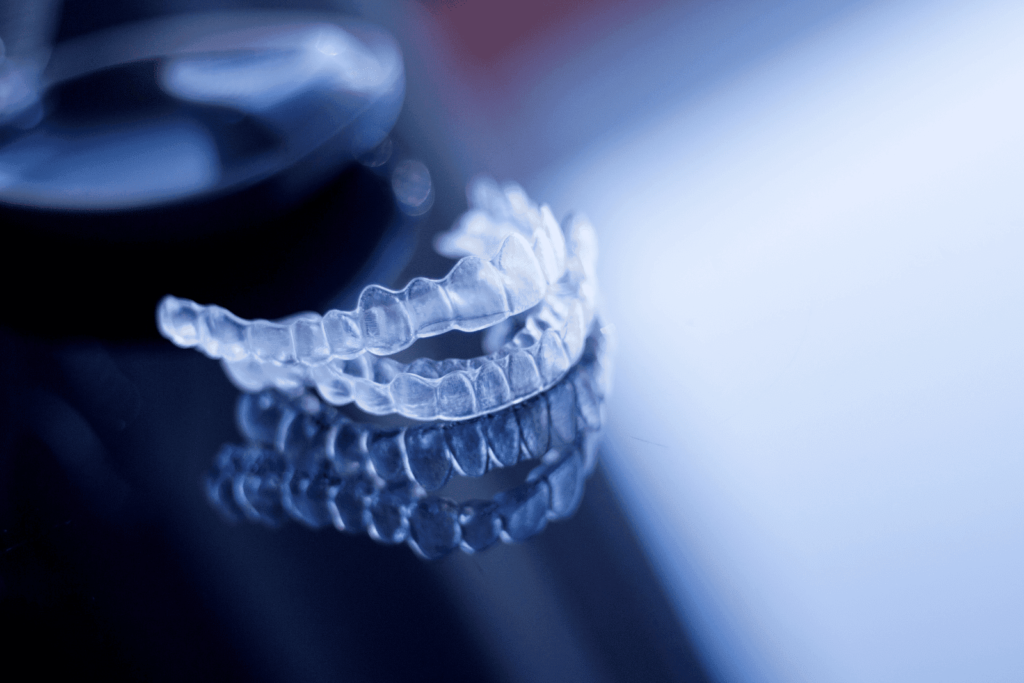
5 Tips to Relief Invisalign Pain
At Lansdowne Family Dental, we’ll show you how to keep discomfort to a minimum and answer your questions throughout treatment.
1. Start Slowly with New Aligners
When you receive new aligners, it’s natural for your teeth to feel sore for a few days. This is because your teeth are moving to a new position, and the aligners are applying pressure to your teeth. To reduce the discomfort, it’s suggested to wear your new aligners for a few hours each day for the first few days before wearing them for the full recommended time (typically 22 hours per day). This gradual increase in wearing time should help your teeth adjust to the new aligners and reduce discomfort.
2. Use Orthodontic Wax
Orthodontic wax can be a lifesaver for Invisalign pain. If the aligners are rubbing against your cheeks, lips, or tongue, you can apply a small amount of wax to the rough edges of the aligners to soothe the affected area.
Keep in mind that you may need to re-apply the wax several times throughout the day to ensure its effectiveness.
3. Take Over-the-Counter Pain Relievers
Over-the-counter pain relievers such as acetaminophen or ibuprofen can help alleviate Invisalign pain. However, it’s important not to rely too much on these medications and to follow the recommended dosage on the label. In addition, consult with your dentist or orthodontist before taking any medication.
4. Massage Your Gums
Massaging your gums with a finger or a soft-bristled toothbrush can help increase blood flow in the area, reducing the pressure and pain caused by the aligners. This can also help prevent inflammation and gum recession.
It’s essential to use a gentle touch when massaging your gums to avoid damaging them.
5. Practice Good Oral Hygiene
Proper oral hygiene is essential during Invisalign treatment. Clean aligners and clean teeth will reduce bacterial growth and prevent tooth decay and gum disease, which can cause discomfort and pain.
Don’t forget to brush your teeth and aligners after every meal and floss daily. Also, use an antimicrobial rinse to help clean your mouth and kill harmful bacteria.
Conclusion
Invisalign can be uncomfortable at times, especially when you switch to a new tray, but the tips above help ease the soreness and prevent some of it. If the pain is severe or doesn’t settle, call your dentist, who may adjust your treatment plan. The soreness usually fades within a few days of each new tray.