What’s the difference between Invisalign and veneers? Invisalign moves your natural teeth into a better position over several months. Veneers are thin porcelain shells bonded to the front of the teeth to change their shape, color, or size, usually in a couple of visits. One fixes position, the other changes appearance, and some patients use both. At Lansdowne Family Dental, Dr. Wael Elosta helps you compare cost, treatment time, and long-term effects on your teeth. Below is how they compare side by side.
Invisalign vs. Veneers
Invisalign vs. veneers represents one of the most important decisions in cosmetic dentistry, and choosing between these two popular smile transformation options depends on whether your primary concerns are tooth alignment issues or cosmetic imperfections like discoloration, chips, or shape irregularities. Invisalign is an orthodontic treatment that gradually moves your natural teeth into proper alignment over 12-24 months, while veneers are thin porcelain shells that are permanently bonded to the front surface of your teeth to instantly change their appearance, color, and shape. If you have crooked, crowded, or gapped teeth, Invisalign is typically the preferred choice because it preserves your natural tooth structure and addresses the root cause of alignment problems, whereas veneers are ideal for teeth that are properly aligned but have cosmetic flaws like staining, minor chips, or size discrepancies.
Some patients get the best result by combining the two: Invisalign first to straighten the teeth, then veneers to change the color, shape, or size of particular teeth. We provide both at Lansdowne Family Dental and can help you work out whether one treatment, or both, suits your goals and your oral health. This comparison covers what each treatment fixes, how they differ in approach and results, and the pros and cons of each.
What Do Invisalign and Veneers Treat?
First, it’s helpful to understand what issues each therapy addresses:
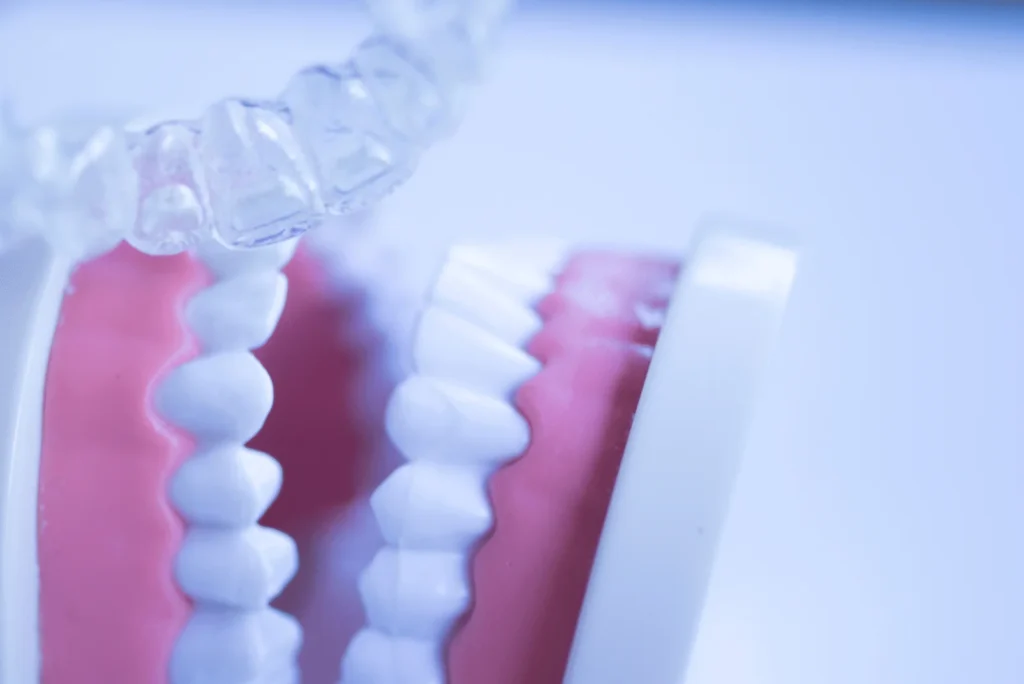
- Invisalign: Straightens crooked, overcrowded, or gapped teeth using a series of clear, removable aligners changed every 1-2 weeks. Gradually shifts teeth into an improved, balanced position over several months.
- Veneers: Thin porcelain covers are custom-made to fit over the fronts of existing teeth, disguising imperfections. Used to treat stained, chipped, unevenly sized, or misshapen teeth. Requires permanent cementing to the tooth surface.
Now let’s explore the key differences between the two options…
Invisalign vs Veneers: Key Differences
| Invisalign | Veneers | |
| What it Treats | Crooked, crowded, or gapped teeth | Stained, chipped, uneven, or misshapen teeth |
| Application Method | Custom-fit clear aligner trays changed out every 1-2 weeks | Thin porcelain covers permanently cemented to the front of teeth |
| Treatment Type | Orthodontic | Crooked, crowded, or gapped teeth |
| Teeth Targeted | Entire smile realignment | Front visible teeth only |
| Process | Gradually moves natural teeth into an improved position | Instantly masks flaws by applying covers |
| Time to Results | Several months of daily wear | Full results in 2-3 office visits |
| Removability | Aligners are removable for cleaning and eating | Cemented veneers can’t be removed |
| Durability | Lasts as long as you wear your retainers | Porcelain may chip or need replacing over 5-15 years |
| Cost | $3,000 – $8,000 total fee | $925 – $2,500 per individual tooth |
To summarize the key distinctions:
- Invisalign straightens actual teeth over months of aligner wear
- Veneers disguise flaws instantly by adding porcelain covers
When determining Invisalign vs. veneers, weigh the pros and cons of adjusting your natural smile vs. permanently changing your teeth for instant cosmetic improvement. We hope this comparison helps you decide!
Our Professional Recommendation
When asked “Should I get Invisalign or veneers?” our dentists at Lansdowne Family Dental usually recommend trying clear aligners first to straighten your natural teeth.
Invisalign gives you straighter, properly aligned teeth without permanently altering healthy tooth enamel as veneers require. It’s a more reversible approach.
However, for severely stained, cracked, or misshapen teeth, veneers may be needed to achieve your desired smile transformation.
We sometimes recommend combining aligners + veneers for the best results:
- Use Invisalign to straighten your overall smile
- Then get veneers to perfect severely flawed front teeth
This optimized approach straightens your bite while disguising only the most damaged teeth.
Our ultimate priority is crafting a custom treatment plan to help you reach your dream smile!