
Can you get Invisalign with missing teeth? Yes. It’s often a good first step before replacing a missing tooth, because aligners can move the neighboring teeth into the right position and open or close the gap as needed before a bridge or implant goes in. At Lansdowne Family Dental, Dr. Wael Elosta plans aligner treatment and tooth replacement together so the space ends up the right size. Below is how Invisalign works around missing teeth and how it prepares the mouth for a replacement.
Can You Get Invisalign With Missing Teeth?
During your Invisalign consultation, we’ll evaluate your specific dental condition and discuss how Invisalign might serve as part of your comprehensive treatment plan. The aligners can help properly position adjacent teeth, maintain space for implants, or prepare for bridges—all while improving your overall smile aesthetics.
Every patient’s situation is unique, which is why personalized assessment is essential. We’re committed to explaining your options in clear, straightforward terms so you can make informed decisions about your dental health journey.
Invisalign offers a subtle approach to straightening teeth, utilizing clear aligners custom-fitted to the individual’s teeth. The treatment gradually shifts teeth into their desired positions over time. On the other side of the coin, missing teeth present a unique challenge in orthodontics. The absence creates a void that neighboring teeth may drift into, leading to misalignment. This common concern often brings individuals to the crossroads of desire and feasibility when considering Invisalign.
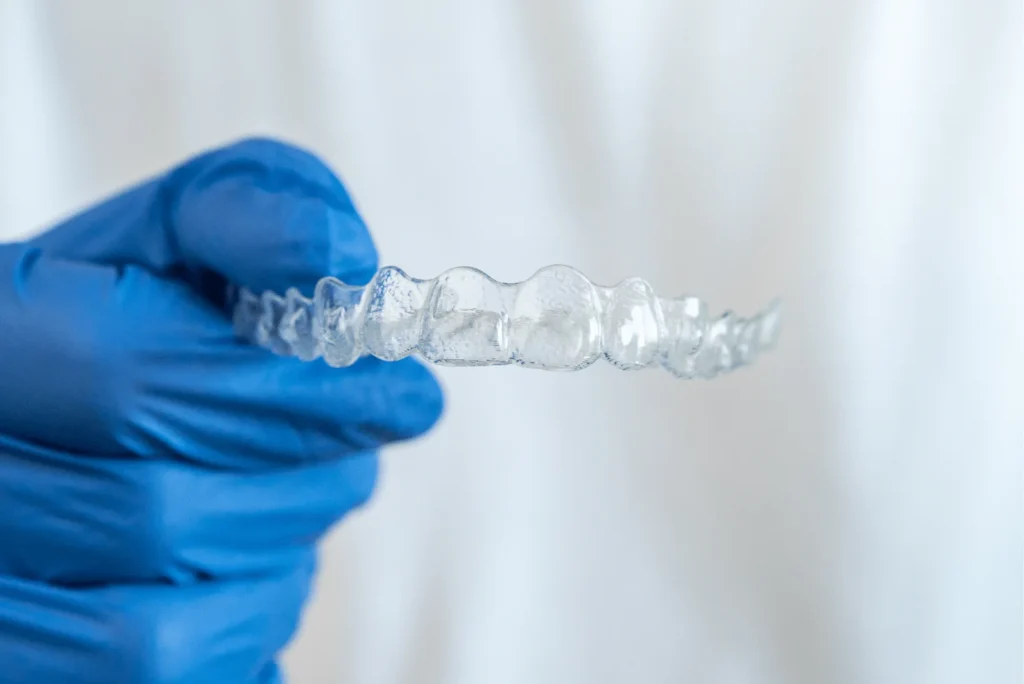
Benefits of Invisalign for Individuals With Missing Teeth
- Aesthetic Appeal: Invisalign’s clear aligners offer a discreet method to realign teeth, boosting the individual’s confidence as they work towards a perfect smile.
- Preparation for restorative work: Invisalign can open up the space needed for a future dental implant.
- Realignment of Existing Teeth: By guiding the existing teeth into their proper positions, Invisalign helps mitigate the domino effect caused by missing teeth.
How Missing Teeth Impact Invisalign Treatment
The path to a straight smile with missing teeth isn’t without its bends. The presence of gaps influences the treatment planning, necessitating a tailored approach. A thorough consultation with a dental professional is imperative to understand the implications and devise a sound treatment plan.
Dental Implants and Invisalign: A Coordinated Approach
There’s a harmonious relationship between dental implants and Invisalign, often playing a sequential role in one’s journey to dental restoration.
- Pre-implant Orthodontics with Invisalign: Most dental professionals recommend undergoing Invisalign treatment before getting dental implants. This strategy allows for the optimal alignment of teeth, creating a conducive environment for the implants.
- Post-implant Orthodontics: Conversely, if you already have dental implants, Invisalign treatment can commence post-implant, working around the permanent fixtures to achieve the desired alignment.
Unique Considerations for Cases With Missing Teeth
Every case is a story of its own, demanding a personalized blueprint. The evaluation involves an in-depth assessment of the dental landscape, the number, and location of missing teeth, and the overall orthodontic goals. Crafting a customized treatment plan ensures the journey to a redefined smile is well-orchestrated and effective.
The Process of Getting Invisalign With Missing Teeth
Getting Invisalign with missing teeth takes a few extra planning steps so that the gaps are accounted for.
- Consultation and Assessment: It kicks off with a comprehensive consultation at Lansdowne Family Dental. Here, your dental professional will assess your oral health, the extent of misalignment, and the impact of missing teeth on the proposed treatment.
- Treatment Planning and Execution: Post-assessment, a detailed treatment plan is carved out. It involves taking digital impressions of your teeth, which are then used to create custom aligners. The aligners gradually shift your teeth, filling in gaps and preparing the ground for any further restorative work.
Real-life Case Studies
Exploring real-life scenarios sheds light on the practicality and effectiveness of Invisalign treatment amidst missing teeth. These cases exemplify how tailored treatment plans have facilitated individuals in achieving their dream smiles, despite the initial hurdles posed by missing teeth.
Nighttime Aligners: An Alternative Solution
Nighttime aligners emerge as a convenient option for those with a hectic schedule. They offer the liberty to continue with the treatment while not interfering with your day-to-day activities.
- What are Nighttime Aligners? Nighttime aligners are worn overnight, applying consistent pressure to realign teeth while you sleep.
- Who are they Suitable for? They are an ideal choice for individuals with minor to moderate misalignment and those looking to maintain discretion about their orthodontic treatment.
Let’s find out why we are the best Ashburn Dentist
Frequently Asked Questions
- Can you get a dental implant during Invisalign treatment? Yes, it’s possible to get a dental implant during Invisalign treatment. However, your dentist must account for the implant’s positioning when designing the aligner treatment plan.
- How does Invisalign work with missing teeth? Invisalign works by gradually moving the existing teeth to fill in gaps or create space for future dental restorative work like implants. It’s a coordinated approach to address both misalignment and missing teeth concerns.
- What are the alternatives to Invisalign for individuals with missing teeth? Alternatives include traditional braces or clear ceramic braces. However, the choice largely depends on the individual’s dental profile and personal preferences.
- How long does the treatment take? The duration varies from case to case, typically ranging between 12 to 18 months. The complexity of the case and the extent of misalignment are significant factors.
- Are there any special care considerations for individuals with missing teeth receiving Invisalign treatment? Maintaining good oral hygiene and regular follow-ups with your dental professional are crucial to monitor the progress and ensure the effectiveness of the treatment.
- Can any orthodontist provide Invisalign treatment for individuals with missing teeth? Not all orthodontists may have the expertise to handle cases with missing teeth. It’s advisable to consult with experienced professionals like those at Lansdowne Family Dental who are well-versed in such scenarios.
Let’s find out why we are the best Leesburg Dentist
Conclusion
Missing teeth don’t always rule out Invisalign. At Lansdowne Family Dental, a consultation and a treatment plan built around your mouth will show whether aligners can straighten your teeth and help prepare the gaps for replacement. If you’d like to find out, book a consultation.